
ISO 9001
What is ISO 9001 (QMS)?
Through its emphasis on process approach and risk-based thinking, the ISO 9001 certification facilitates a flexible and user-friendly QMS. Companies choose ISO 9001 QMS certification to show that they have taken due care to maintain high standards. This reduces the chance of product faults, recalls or service shortcomings and ensures that your customers can buy with confidence.
What are the benefits of an ISO 9001 QMS certification?
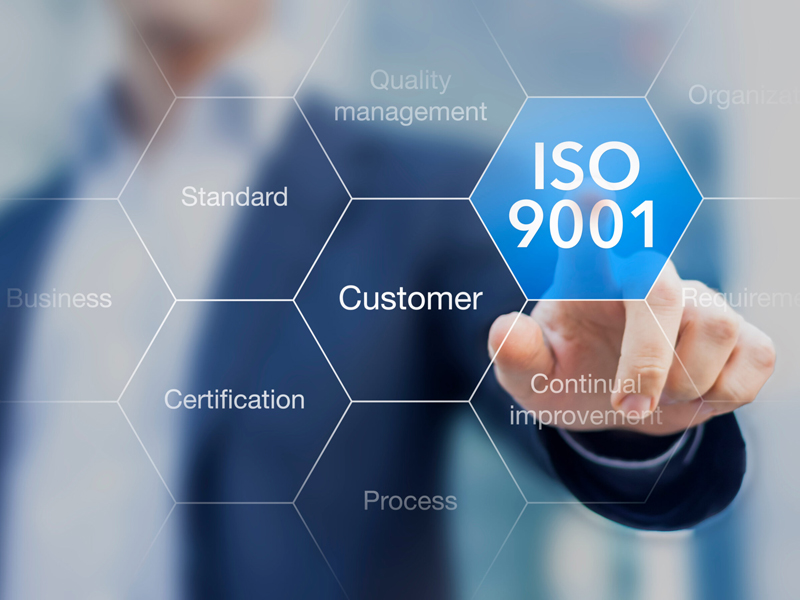
Through its emphasis on process approach and risk-based thinking, the ISO 9001 certification facilitates a flexible and user-friendly QMS. Companies choose ISO 9001 QMS certification to show that they have taken due care to maintain high standards. This reduces the chance of product faults, recalls or service shortcomings and ensures that your customers can buy with confidence.
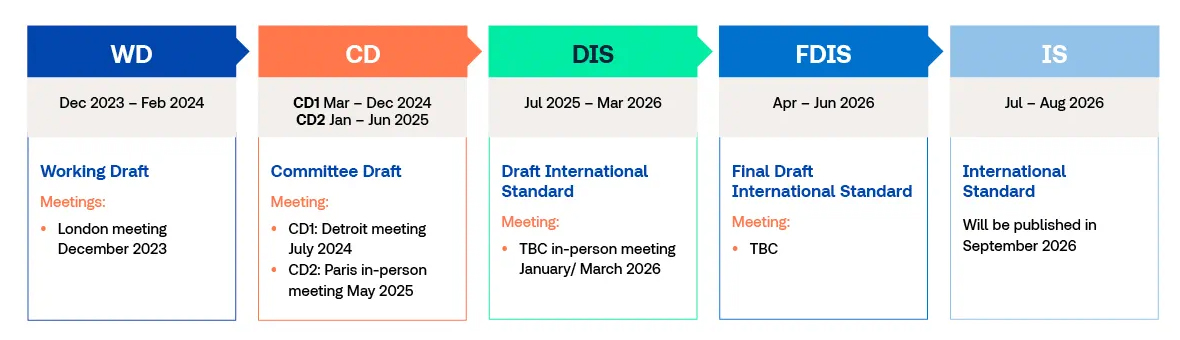
Proposed timeline for ISO 9001 revision
The ISO 9001 quality management standard is being revised by the International Organization for Standardization (ISO). This update aims to adapt the standard to current challenges and global changes. The new standard is expected to be released by the end of 2026.
SecureKnots Methodology
Before you can initiate the certification process, your organisation will need to implement a quality management system according to ISO 9001 requirements and its effectiveness must be thoroughly documented.
For the certification process itself, the following steps have been established
- Documentation review audit: SecureKnots evaluates your documentation and company records
- On-site audit: SecureKnots reviews the compliance of your actual activities to ISO 9001 QMS requirements and company records
- Close the gap: Your organisation identifies and implements measures to correct the root cause of any non-conformances identified by the audit
- Certification issuance: SecureKnots issues the ISO 9001 QMS certification and certification mark
- Surveillance audits: Annual audit required to maintain certification validity (Unannounced audits may occur in special cases)
The Certification Process - Key Steps
Pre-sales & Order Confirmation
Audit Planning
Audit Action
Any Deviations?
Certification Issuance
Surveillance Audits
FAQs
How do I get an ISO 9001 certificate?
In order to get the ISO 9001 Certification in India for your organisation, you need to set up a quality management system in accordance with the most current ISO 9001 standard and then have that QMS audited by a certified auditor. As a result, the organisation receives a certification that lasts three years before renewal.
How often is ISO 9001 audit?
Quality Management System audits are usually carried out every 3 years. Following certification, your registrar will conduct surveillance audits to ensure you are still adhering to your QMS and the ISO standard requirements.
Does ISO 9001 certification expire?
The ISO 9001 certification for quality management systems is valid for three years after it is obtained. The certificate expires and ceases to be applicable to your business when the expiration date is reached. Not all certifications are valid for three years; some need to be renewed yearly.
What are the ISO 9001 requirements?
In accordance with the ISO 9001 standard, your business must address the following seven clauses in order to achieve continuous improvement for your QMS audit:
- Context of the organisation.
- Leadership.
- Planning.
- Support.
- Operation.
- Performance evaluation.
- Improvement.
What should be the focus of ISO 9001?
ISO 9001 strongly emphasises fulfilling customer needs while aiming to go above and beyond. An organisation can meet the needs of its clients and other stakeholders by using a quality management system based on ISO 9001. A quality management system (QMS) such as the ISO 9001 provides a structured approach to process improvements, thereby enhancing the competitive capacity of companies worldwide.